
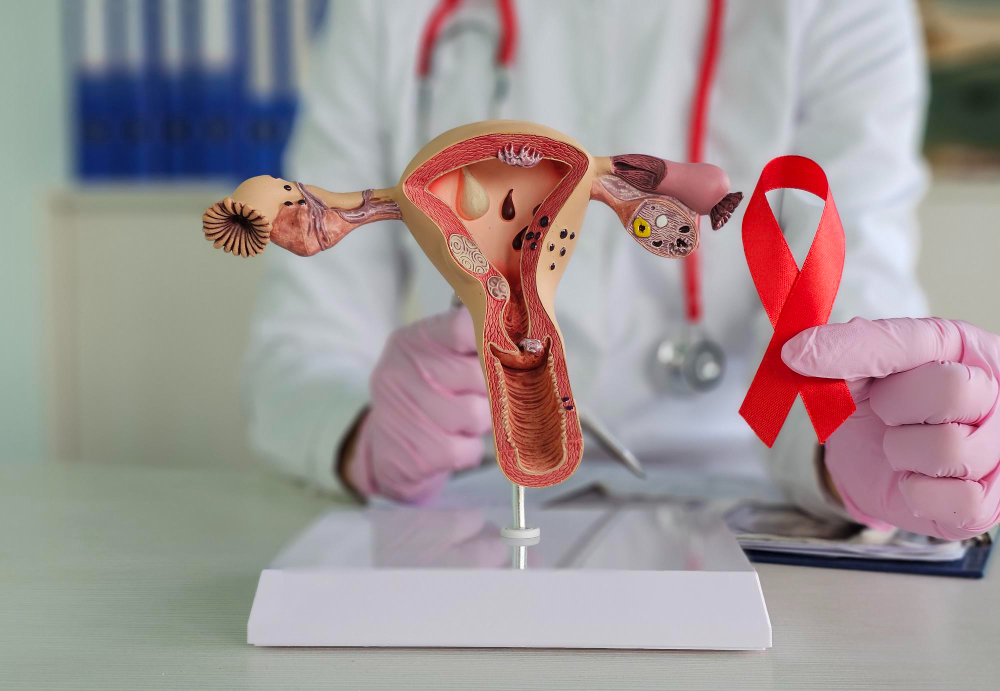
Introduction to Cervical Pre-cancerous Diseases
Cervical pre-cancerous diseases are changes in the cells of the cervix that may lead to cancer if not treated. The cervix is the lower part of the uterus, connecting it to the vagina. Because these changes often happen slowly, there is time to find and treat them early. Early detection can prevent cervical cancer. Many people do not notice symptoms at first, so regular screening is important. In this blog, you will learn about early signs of cervical cancer, causes, diagnosis, treatment, and prevention.
Common Symptoms and Warning Signs
Often, cervical pre-cancerous diseases do not cause symptoms. However, some warning signs may appear as the disease progresses. For example, you may notice:
Still, these symptoms can have other causes. Therefore, it is important to see a doctor if you notice any changes.
Main Causes and Risk Factors
The main cause of cervical pre-cancerous diseases is infection with certain types of human papillomavirus (HPV). HPV is a common virus spread through sexual contact. But not all HPV types cause cancer. Some other risk factors include:
Because these risk factors can add up, it is important to know your own risks.
Diagnostic Methods and Screening
Early detection is key to preventing cervical cancer. For this reason, doctors use screening tests to find cervical pre-cancerous diseases before symptoms appear. The most common tests are:
Sometimes, if results are unclear, your doctor may suggest a closer look with a procedure called colposcopy. In some cities, local clinics and hospitals offer free or low-cost screening programs. Therefore, check with your local health center for details.
Treatment Options
If cervical pre-cancerous diseases are found, treatment can stop them from turning into cancer. Treatment depends on the severity of the cell changes. Common options include:
After treatment, regular follow-up is important to make sure the disease does not return.
Prevention Strategies
There are several ways to lower your risk of cervical pre-cancerous diseases. For example:
Because prevention is better than cure, these steps can help protect your health.
Lifestyle Guidance for Those at Risk
If you are at higher risk, you can still take action. For instance, eat a healthy diet rich in fruits and vegetables. Avoid smoking and limit alcohol. Practice safe sex and talk openly with your partner about sexual health. Also, keep up with regular check-ups and screenings. These habits can support your immune system and lower your risk.
Importance of Early Detection
Early detection of cervical pre-cancerous diseases saves lives. Because these changes develop slowly, regular screening can catch problems before they turn into cancer. As a result, treatment is easier and more effective. Therefore, do not skip your routine Pap smear or HPV test. Encourage friends and family to get screened too.
Conclusion
Cervical pre-cancerous diseases can be prevented and treated if found early. Regular Pap smear screening, HPV vaccination, and healthy habits are key. If you notice any unusual symptoms, see a doctor right away.
For personalized advice or to schedule a screening, consult your healthcare specialist at Care Hospital, Health City, Visakhapatnam today.