
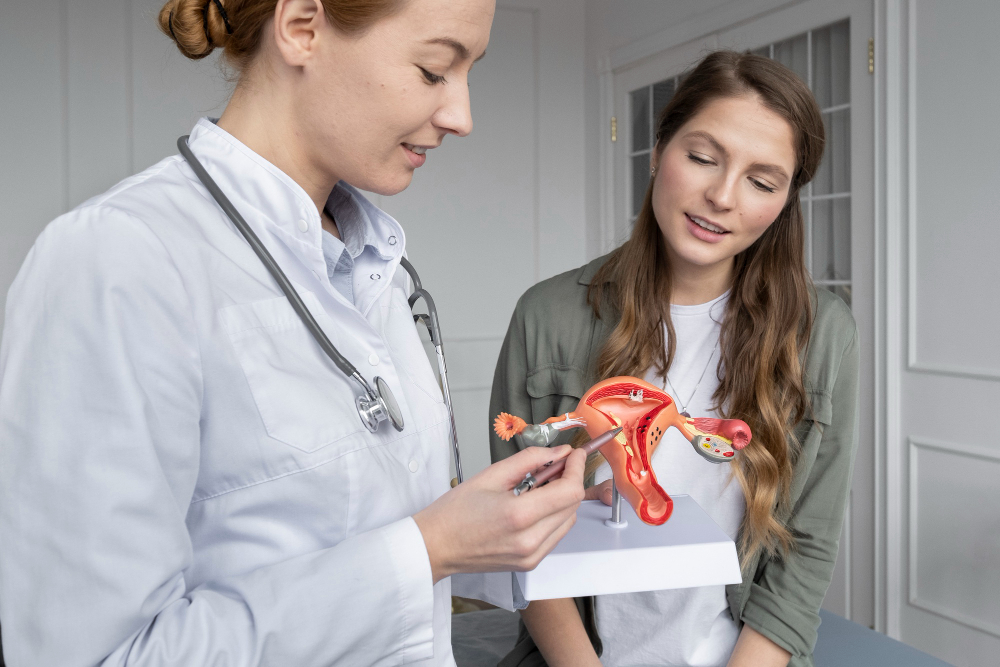
Vaginal cancer is a rare but serious disease that affects the tissues of the vagina. Although it is not as common as other cancers, understanding vaginal cancer is important for early detection and better outcomes. In this blog, we will explain what vaginal cancer is, who is at risk, and how to spot warning signs. We will also discuss diagnosis, treatment options, and ways to lower your risk. Knowing more about vaginal cancer can help you make informed decisions about your health.
What Is Vaginal Cancer?
Vaginal cancer starts when cells in the vagina grow out of control. The vagina is the canal that connects the uterus to the outside of the body. While vaginal cancer is rare, it mostly affects women over the age of 60. However, anyone with a vagina can develop this cancer. According to the American Cancer Society, vaginal cancer makes up about 1-2% of all cancers in the female reproductive system. Even though it is uncommon, early detection can greatly improve the chances of successful treatment.
Risk Factors for Vaginal Cancer
Several factors can increase the risk of developing vaginal cancer. Understanding these risk factors can help you stay alert and take preventive steps. Some of the main risk factors include:
Because some risk factors can be controlled, making healthy choices may help lower your risk.
Warning Signs and Symptoms
It is important to know the warning signs of vaginal cancer. Early symptoms can be mild or mistaken for other problems. However, noticing these signs early can lead to faster diagnosis and better outcomes. Common symptoms include:
If you notice any of these symptoms, it is important to see a doctor. Early detection can make treatment more effective.
Diagnosis and Screening
Doctors use several steps to diagnose vaginal cancer. First, they will ask about your symptoms and medical history. Next, they may perform a pelvic exam to check for lumps or changes. If needed, further tests may include:
Screening for vaginal cancer is not routine for everyone. However, regular gynecological exams can help find problems early. If you have symptoms or risk factors, talk to your doctor about when to seek medical advice.
Treatment Options and Care Pathways
Treatment for vaginal cancer depends on the type, stage, and your overall health. Common treatment options include:
Often, a team of specialists will help guide your care. They may include gynecologic oncologists, nurses, and counselors. Support resources, such as patient groups and counseling, can also help you cope during treatment. Your care pathway will be tailored to your needs, so regular follow-ups are important.
Prevention and Lifestyle Guidance
While not all cases can be prevented, some steps can lower your risk of vaginal cancer. Here are some practical tips:
By following these tips, you can take charge of your health and lower your risk.
When to Consult a Specialist
If you notice any warning signs or have risk factors, it is wise to consult a specialist. For example, gynecologic oncologists are experts in treating cancers of the female reproductive system. Early consultation can help you get the right diagnosis and care plan. Do not wait if you have concerns about your health.
Conclusion and Call-to-Action:
Vaginal cancer is rare, but knowing the risks and warning signs can save lives. Early detection and treatment are key to better outcomes. If you have symptoms or risk factors, consult a specialist at Care Hospital, Health City for personalized guidance. Your health matters, so take action today.