
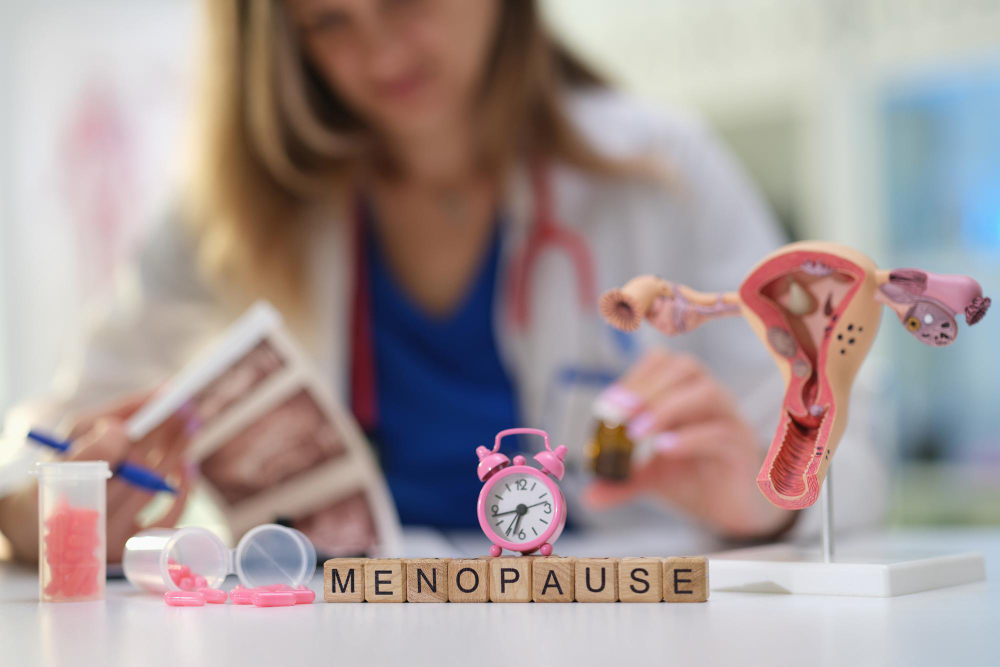
What is Menopause?
Menopause marks the end of a woman’s menstrual cycles. It usually happens between ages 45 and 55. Doctors say menopause is confirmed when you have not had a period for 12 months. After this time, your ovaries make much less estrogen and progesterone. These are important female hormones. Because of these changes, your body goes through many adjustments. However, bleeding or spotting after menopause is not expected.
Understanding Spotting After Menopause
Spotting after menopause means you notice light bleeding or pink, brown, or red spots. This can happen on your underwear or when you wipe. While it may seem minor, spotting after menopause is not considered normal. In fact, the Centers for Disease Control and Prevention (CDC) and the World Health Organization (WHO) both advise women to report any postmenopausal bleeding to a doctor. Sometimes, it can be harmless. However, it may also signal a health problem that needs attention.
Common Causes of Postmenopausal Spotting
There are several causes of spotting after menopause. Some are mild, while others are more serious. For example, common causes include:
Because some causes are serious, you should not ignore any postmenopausal bleeding.
When to Seek Medical Advice
It is important to know when to worry about spotting after menopause. If you notice any bleeding, even a small amount, you should contact your doctor. This is true even if it happens only once. Early evaluation can help find the cause and start treatment if needed. In addition, seek urgent care if you have:
Prompt action can make a big difference in your health.
Diagnosis and Evaluation
Your doctor will ask about your symptoms and medical history. Next, they may do a pelvic exam. Often, they will order tests to find the cause of postmenopausal bleeding. These may include:
These steps help your doctor decide the best treatment for you.
Treatment Options
Treatment depends on the cause of spotting after menopause. For instance, your doctor may suggest:
Your doctor will explain the best plan for your situation. Early treatment often leads to better results.
Prevention and Self-Care Tips
While you cannot prevent all causes of postmenopausal spotting, you can take steps to lower your risk. For example:
These habits can help you stay healthy after menopause.
Frequently Asked Questions
If you notice any spotting after menopause, consult a gynecologist at Care Hospital for personalized advice.