
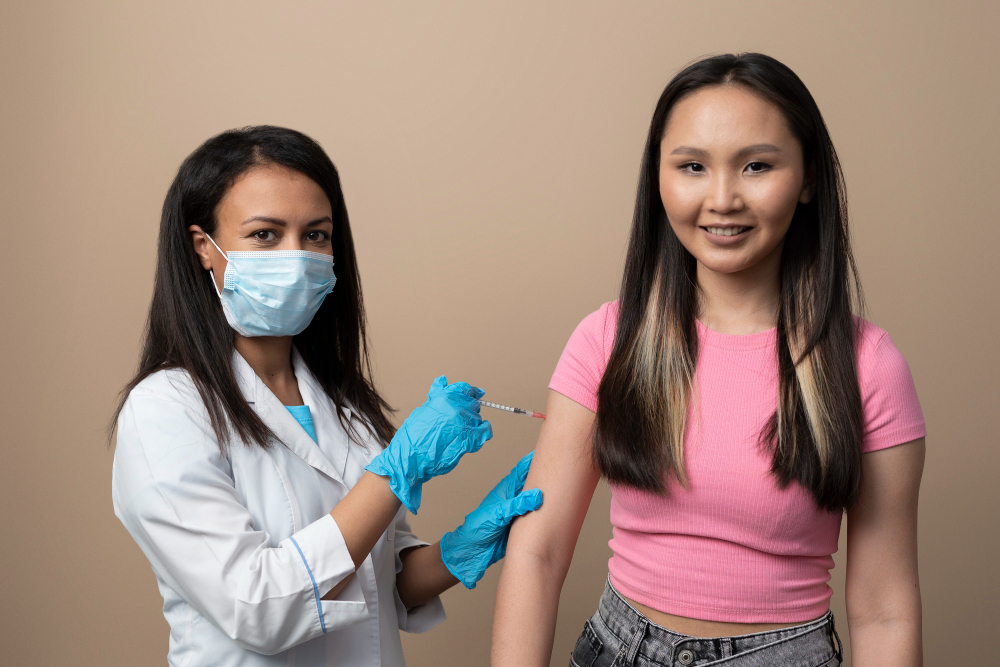
Human papillomavirus, or HPV, is a common virus that can cause cancer. Many people do not know that HPV is linked to cervical cancer and other health problems. However, HPV vaccines can help prevent these issues. In this blog, you will learn about HPV, the importance of HPV vaccines, and the facts behind common myths. This information is important for every woman and parent who wants to protect their family’s health.
What is HPV?
First, let’s understand what HPV is. HPV stands for human papillomavirus. It is a group of more than 100 related viruses. Most people will get HPV at some point in their lives. In fact, the Centers for Disease Control and Prevention (CDC) says that HPV is the most common sexually transmitted infection.
Because HPV is so common, it is important to know how to protect yourself and your loved ones.
HPV and Cancer: The Connection
Many people do not realize that HPV can lead to cancer. For example, certain types of HPV can cause cervical cancer in women. According to the World Health Organization (WHO), almost all cases of cervical cancer are linked to HPV infection. Besides cervical cancer, HPV can also cause:
Because of this strong link, preventing HPV infection is a key step in cancer prevention.
Understanding HPV Vaccines
HPV vaccines help protect against the types of HPV that cause most cancers and warts. These vaccines work by teaching your body to fight the virus if you are exposed. For best results, experts recommend getting the vaccine before becoming sexually active. The CDC suggests:
In addition, the vaccine does not contain live virus, so it cannot cause HPV infection. For more details, you can visit the CDC or WHO websites.
Common Myths About HPV and Vaccines
There are many myths about HPV and vaccines. Let’s look at some common ones and the facts:
Because of these facts, health experts strongly recommend HPV vaccination for teens and young adults.
Benefits of Vaccination
Getting the HPV vaccine offers many benefits. Not only does it protect you, but it also helps your community. Here are some key benefits:
As more people get vaccinated, the risk of HPV-related diseases goes down for everyone.
Guidance for Women and Parents
Many parents have questions about HPV vaccination for teens. Here are some tips to help you make informed choices:
Because every family is different, your doctor can help answer any concerns you may have.
Prevention and Healthy Practices
Besides vaccination, there are other ways to lower your risk of HPV and related cancers. For example, you can:
Even if you are vaccinated, regular health check-ups are important for early detection and prevention.
In summary, HPV vaccines are a safe and effective way to prevent cancer and protect your family’s health. Consult a healthcare provider at Care Hospital, Health City, Visakhapatnam, Andhra Pradesh for personalized advice about HPV and vaccines.