
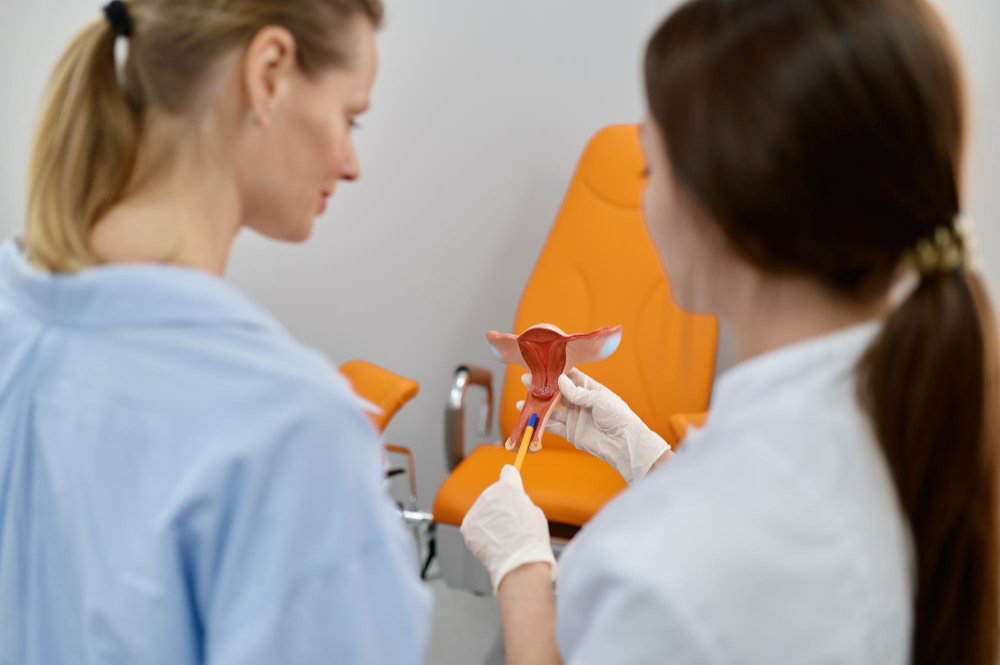
A Pap Smear is a simple test that checks for changes in the cells of the cervix. Many people wonder, “Is a Pap Smear a screening test or diagnostic test?” In most cases, a Pap Smear is a screening test. It helps find early signs of cervical cancer before symptoms appear. This blog will explain what a Pap Smear is, how it works, and why it is important for women’s health. We will also discuss the differences between screening and diagnostic tests, and answer common questions about Pap Smears and cervical cancer screening.
What Is a Pap Smear?
First, let’s understand what a Pap Smear is. A Pap Smear, also called a Pap test, is a quick procedure done in a doctor’s office. During the test, a healthcare provider gently collects cells from the cervix. The cervix is the lower part of the uterus that opens into the vagina. These cells are then checked under a microscope for any changes that might lead to cervical cancer.
Usually, the test takes only a few minutes. It is not painful, but you may feel slight discomfort. Pap Smears are a key part of women’s health and are recommended for early detection of cervical cancer.
Screening vs. Diagnostic Tests: Key Differences
Now, let’s look at the difference between screening and diagnostic tests. This will help you understand the role of a Pap Smear.
For example, mammograms are screening tests for breast cancer. If a mammogram finds something unusual, more tests are done to diagnose the issue.
Is a Pap Smear a Screening or Diagnostic Test?
So, is a Pap Smear a screening test or diagnostic test? The answer is clear. A Pap Smear is mainly a screening test. It checks for early cell changes in the cervix before symptoms start. This helps catch cervical cancer early, when it is most treatable.
However, if a Pap Smear shows abnormal results, your doctor may order more tests. These follow-up tests are diagnostic. They help find out if you have cancer or another condition. According to the CDC and WHO, Pap Smears are a key part of cervical cancer screening programs worldwide.
Why Regular Pap Smears Matter
Regular Pap Smears are important for every woman’s health. Early detection of cell changes can prevent cervical cancer. In fact, most cases of cervical cancer can be avoided with routine screening and early treatment.
Here’s why you should get regular Pap Smears:
Many health experts, including the American Cancer Society, stress the value of regular Pap Smears for women’s health.
What to Expect During a Pap Smear
Knowing what happens during a Pap Smear can ease your worries. Here is what you can expect:
After the test, you can return to your normal activities. Most women feel fine, but some may have mild spotting.
When to Get a Pap Smear: Guidelines and Recommendations
It is important to know when to start and how often to get a Pap Smear. Guidelines may vary by country, but here are general recommendations:
However, your doctor may suggest a different schedule based on your health history. Always follow your healthcare provider’s advice.
Common Myths and Facts About Pap Smears
There are many myths about Pap Smears. Let’s clear up some common ones:
Prevention and Early Detection of Cervical Cancer
Regular Pap Smears are one of the best ways to prevent cervical cancer. Early detection means treatment can start before cancer grows or spreads. In addition, the HPV vaccine helps protect against the main virus that causes cervical cancer.
Here are some tips for prevention and early detection:
Following these steps can help keep you healthy and lower your risk of cervical cancer.
Consult a healthcare professional at Care Hospital for personalized advice on Pap Smear screening.